
Nuove pubblicazioni

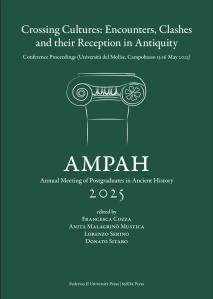

















Su questa piattaforma sono pubblicate ad accesso aperto le collane di libri elettronici delle università aderenti a Universities SHARE (Scholarly Heritage and Access to Research): Basilicata, Campania Luigi Vanvitelli, Napoli Federico II, Napoli L'Orientale, Napoli Parthenope, Napoli "Suor Orsola Benincasa", Salerno e Sannio.
La pubblicazione di collane, con il nome editoriale di SHARE Press e/o con quello del singolo ateneo, avviene su istanza di uno degli enti convenzionati.
Tutte le pubblicazioni di SHARE osservano precisi requisiti minimi, hanno caratteri di originalità e una forma atta alla verifica e al riuso in attività di ricerca.
I volumi sono liberamente accessibili anche in Google Books, in DOAB (Directory of Open Access Books) e in Knowledge Unlatched Open Research Library.
Collane